
Why Fall Winds & Alpine Air Trigger Severe Dry Eyes in Whitefish, MT (and How to Fix It)
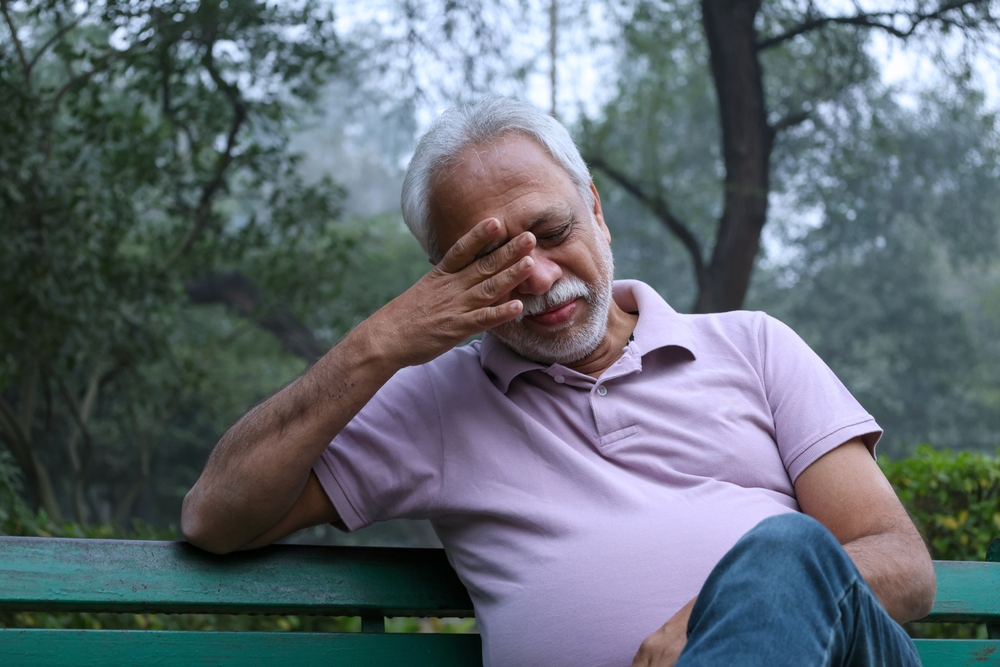
Fall in Whitefish, MT, brings cooler temperatures, mountain breezes, and changing humidity levels. While the season offers beautiful scenery, it can also create uncomfortable conditions for your eyes. If you experience burning, redness, irritation, or fluctuating vision during autumn, you may be dealing with seasonal dry eye symptoms.
At Whitefish Eye Center, we help patients understand how environmental changes affect their tear film and provide personalized dry eye treatment to improve comfort and eye health.
Why Fall Weather Makes Dry Eyes Worse
Your eyes depend on a healthy tear film to stay lubricated and protected. When conditions become windy or dry, tears can evaporate more quickly, leaving the surface of your eyes exposed to irritation.
Several seasonal factors contribute to dry eye symptoms in Whitefish:
Cold mountain winds: Wind accelerates tear evaporation, especially during outdoor activities like hiking or biking.
Low humidity: Drier alpine air can make it harder for your eyes to maintain adequate moisture.
Indoor heating: As temperatures drop, heating systems can reduce indoor humidity and contribute to tear film instability.
Increased outdoor exposure: Spending time near Whitefish Lake or exploring mountain trails can expose your eyes to wind and changing weather conditions.
Contact lens wear: Dry environments may increase discomfort for people who wear contact lenses.
These conditions can worsen existing dry eye disease, particularly when the eyes already struggle to produce enough tears or maintain a stable tear film.
Recognizing Seasonal Dry Eye Symptoms
Dry eye symptoms can range from mild irritation to persistent discomfort that interferes with daily activities.
Common symptoms include burning, gritty sensations, excessive watering, redness, sensitivity to light, and blurry vision that temporarily improves after blinking.
Although these symptoms may worsen during fall, persistent dry eyes should not be dismissed as a normal seasonal inconvenience. Underlying conditions, including meibomian gland dysfunction (MGD), can contribute to tear film instability.
How to Protect Your Eyes From Fall Winds and Dry Air
Protecting your eyes from environmental exposure can help reduce seasonal dry eye discomfort.
We recommend wearing wraparound sunglasses outdoors to minimize direct wind exposure. Using a clean humidifier indoors can also help maintain comfortable moisture levels when heating systems are running.
Preservative-free artificial tears may provide temporary relief by supplementing natural tears. Staying hydrated, taking regular screen breaks, and avoiding direct airflow from heating vents can further support eye comfort.
However, these measures may not fully address chronic dry eye disease, especially when inflammation or blocked oil glands contribute to symptoms.
Professional Dry Eye Treatment in Whitefish, MT
When seasonal irritation becomes persistent, a comprehensive dry eye evaluation can help identify the underlying cause.
At Whitefish Eye Center, we assess your symptoms and eye health to develop an individualized treatment plan. For patients with meibomian gland dysfunction and inflammation, we offer Envision dry eye treatments designed to address factors contributing to tear film instability.
Our approach focuses on identifying the source of discomfort rather than simply masking symptoms. Depending on your findings, we may recommend targeted in-office treatments alongside appropriate at-home care.
If fall winds and dry alpine air are making your eyes uncomfortable, contact Whitefish Eye Center in Whitefish, MT, at (406) 862-2020 to schedule a dry eye evaluation and learn about your treatment options.
Quick Links
Helpful Articles
All Eye Care Services
Find personalized eye care excellence with our comprehensive services. From eye exams to advanced diagnostics, trust us for all your vision needs.

Keep In Touch
For non-urgent questions or to learn more about our services, contact us today!
© 2026 Whitefish Eye Center. All rights Reserved - Accessibility Statement - Privacy Policy - Sitemap
Managed and Designed by 