
Scleral Lenses vs. Standard Contacts for Keratoconus & Severe Dry Eye in the Flathead Valley
Scleral Lenses vs. Standard Contacts for Keratoconus & Severe Dry Eye in the Flathead Valley
If your contact lenses leave you with blurry vision or persistent discomfort, a different lens design may help. Keratoconus and severe dry eye can make standard contacts difficult to wear. At Whitefish Eye Center, we help patients throughout the Flathead Valley understand whether scleral lenses offer a better fit for their vision and eye health needs.
How Standard Contacts Work
Standard soft contact lenses sit on the cornea, the clear front surface of the eye. They work well for many people with nearsightedness, farsightedness, or regular astigmatism. Daily disposable options can also simplify lens care.
However, soft lenses generally follow the cornea’s shape. When that surface becomes irregular, as it does with keratoconus, standard contacts may not provide clear, consistent vision. An unstable tear film can also make contact lens wear uncomfortable.
Why Scleral Lenses Can Help With Keratoconus
Keratoconus causes the cornea to thin and bulge, creating an uneven surface that distorts vision. Scleral lenses are larger, rigid gas-permeable lenses that arch over the cornea and rest on the tissue covering the white part of the eye.
This design creates a smooth optical surface. A layer of fluid fills the space beneath the lens, helping compensate for corneal irregularities. For suitable patients, scleral lenses can improve clarity and stability when standard soft contacts fall short.
Scleral lenses do not stop keratoconus from progressing. We monitor corneal changes and discuss referral for treatments such as corneal cross-linking when appropriate.
Where Severe Dry Eye Fits In
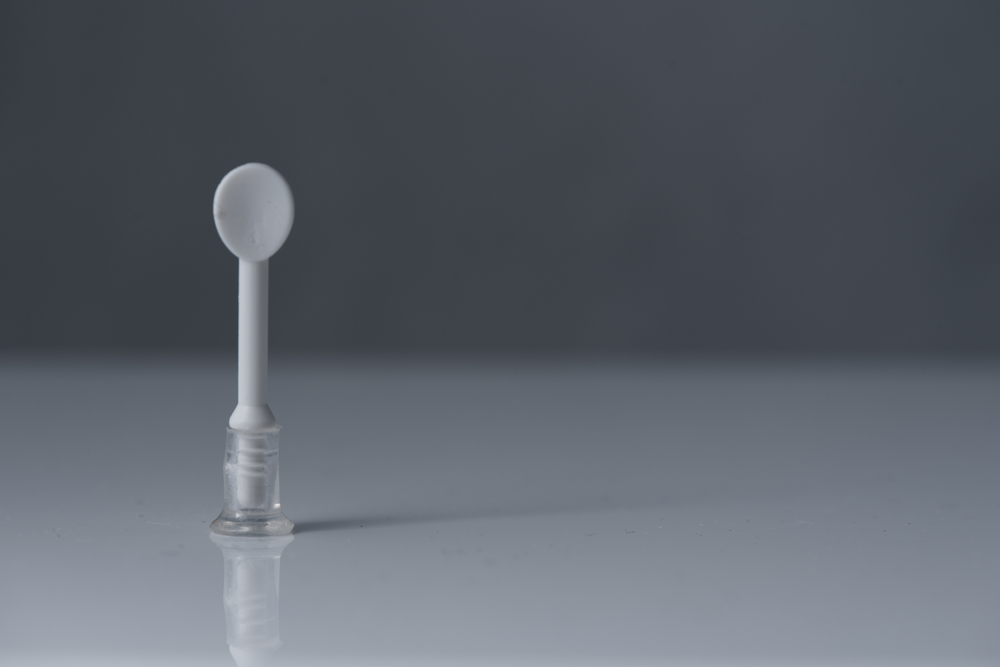
For some patients with severe dry eye, scleral lenses help protect the corneal surface and maintain moisture during wear. Before insertion, each lens is filled with sterile, preservative-free saline recommended by the eye doctor.
In Whitefish and throughout the Flathead Valley, low humidity can contribute to dry eye symptoms. We evaluate the underlying cause before recommending lenses. Scleral lenses may be part of a broader treatment plan, particularly when other measures have not provided enough relief. They do not replace treatment for eyelid inflammation or other contributing conditions.
Everyday Differences to Consider
Choosing between scleral lenses and standard contacts also involves practical considerations:
Standard soft lenses are widely available, while scleral lenses require a specialized fitting.
Scleral lenses need additional practice for insertion, removal, and filling without air bubbles.
Daily disposable soft lenses are discarded after use; reusable scleral lenses require cleaning and disinfection.
Scleral lenses generally involve higher initial costs and more fitting visits than standard soft contacts.
Finding the Right Fit in Whitefish
We assess your corneal shape, tear film, prescription, and previous contact lens experience to recommend an appropriate option. Follow-up visits help us check comfort, vision, and how the lenses affect your eye health.
Proper care matters. Saline fills scleral lenses but does not disinfect them. Use the cleaning system we recommend, avoid tap water, and remove your lenses before sleeping.
Contact Whitefish Eye Center in Whitefish, MT, at (406) 862-2020 to schedule a specialty contact lens evaluation and explore options for clearer, more comfortable vision.
Quick Links
Helpful Articles
All Eye Care Services
Find personalized eye care excellence with our comprehensive services. From eye exams to advanced diagnostics, trust us for all your vision needs.

Keep In Touch
For non-urgent questions or to learn more about our services, contact us today!
© 2026 Whitefish Eye Center. All rights Reserved - Accessibility Statement - Privacy Policy - Sitemap
Managed and Designed by 